
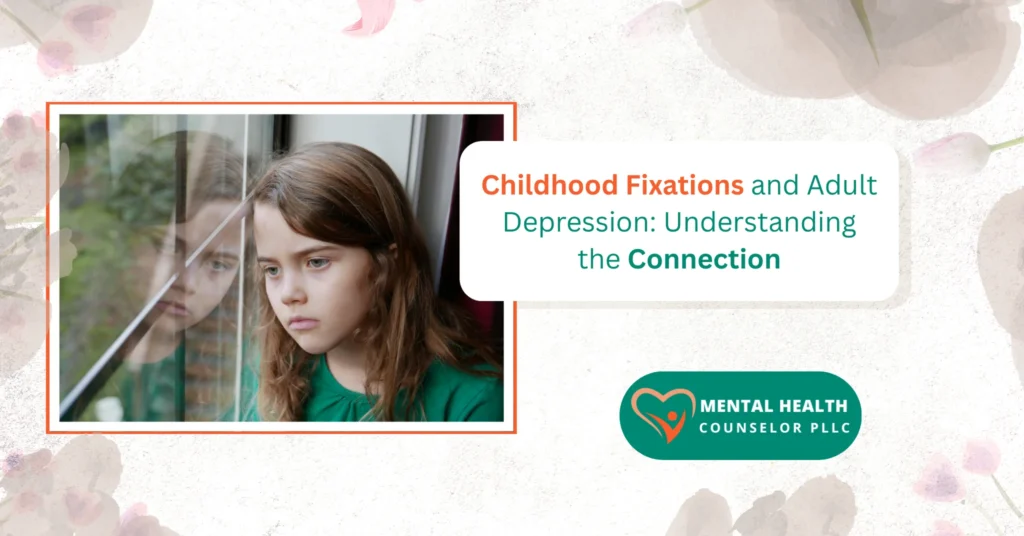
When we reflect on youth, we often picture carefree moments and simple joys.
But what unfolds when those early fixations – the habits we establish, the bonds we form, the ways we manage stress we create, persist into later life?
The tie between youthful experiences and adult depression runs deeper than many perceive.
What Are Early Fixations?
Early fixations describe enduring sequences of thinking, acting, or emotional connection that form during formative periods.
These are not just fleeting enthusiasms or pastimes. They represent psychological holds that youngsters establish to make sense of their surroundings.
Typical manifestations include:
- Connection styles with caregivers that set expectations for relating
- Action sequences that offer solace amidst uncertainty
- Mental frameworks that serve as default processing methods for events
- Methods for handling emotions that feel secure, even if unhelpful
These sequences arise as ways to get by. A youngster facing inconsistency might become overly focused on control.
Another experiencing a lack of emotional validation might adopt a need to please others.
At one time, these adjustments served a purpose.
The Developmental Psychology Behind Fixations
During the early years, the mind experiences vital periods of adaptability. Happenings within these timeframes shape the neural connections that persist throughout one’s life.
Psychoanalytic theory, particularly object relations theory, posits that initial relational styles become ingrained blueprints for future engagements.
Erik Erikson’s phases of psychosocial growth illustrate how unresolved struggles in youth generate susceptibilities.
When a child does not successfully navigate stages like trust versus suspicion or independence versus embarrassment, they might develop fixed habits as a means of compensation.
Attachment perspectives further clarify this connection. Insecure ways of attaching formed in youth – anxious, detached, or chaotic – show a strong relationship with mood disorders in adulthood.
These are more than mere associations; they reflect continuity in how persons interact with themselves and others.
How Youthful Patterns Emerge as Depression
The connection between early preoccupations and adult low spirits becomes clearer when we look at specific processes.
Unhelpful Coping Methods
Children devise ways to cope based on limited tools and comprehension. What was effective at age seven does not necessarily support someone at thirty-seven.
When adults keep depending on outdated approaches – evasion, detachment, or constant reviewing – they become stalled. This rigidity contributes to feelings of sadness.
Negative Foundational Beliefs
Early life routines frequently become fundamental beliefs about self-worth, capability, and meriting care.
An individual overly focused on perfection to gain parental acceptance may conclude that their value stems purely from achievement.
This skewed thinking creates fertile ground for downturned thought cycles.
Difficulty Regulating Feelings
If skills for managing feelings were not cultivated in youth, adults encounter hurdles in handling emotional states.
The inability to process emotions effectively – a frequent characteristic of depression – often traces back to early instances where feelings were dismissed, penalized, or overlooked.
Breaking Away From Old Sequences
Understanding the tie between early preoccupations and current low spirits opens avenues for mending.
Therapeutic methods like cognitive-behavioral therapy address distorted thought patterns, while psychodynamic therapy examines how past events continue to shape current behavior.
Noticing these sequences demands bravery. It involves accepting that present difficulties have their origins in the past.
But this awareness also brings a sense of capability – what was learned is possible to unlearn.
Neural pathways, though set, retain the capacity for modification through steady effort and backing.
Recovery involves:
- Building fresh coping approaches
- Questioning core beliefs
- Establishing healthier ways of relating
It’s not about wiping out the past but rather lessening its hold on the now.
New Steps
If you see habits from your youth impacting your current emotional well-being, you don’t need to traverse this alone.
At Mental Health Counselor PLLC, our credentialed therapists specialize in examining how early events shape present challenges.
Through caring, research-backed therapy, we help you shed patterns that no longer serve your best interests.
Arrange your initial discussion today.
FAQs
Can events from childhood truly trigger sadness decades later?
Indeed.
Early happenings shape neural structures, connection styles, and foundational beliefs that affect mental health across the lifespan.
While not everyone who has had tough childhood experiences with depression, these past events establish risk factors.
Is professional guidance essential to move past early lifelong habits?
Therapy provides a framework for recognizing and altering deeply ingrained habits. Professional guidance often accelerates healing.
Regarding persistent low spirits stemming from youth, what is the usual length of treatment needed?
The timeline varies depending on personal contexts, the depth of the habits, and the approach to therapy selected.
Certain people note progress in several months, whereas deeper endeavors might require more time. Steady participation in therapy brings about the best results.