Mental Health

Author name: admin

Where Safety Meets Echt Money Gambling Online

Jede Sammlungsseite zeigt wichtige Informationen & Demo- casino infinity auszahlung Progressiv, sodass man mindestens zwei Spiele schnell ausprobieren unter anderem Bezeichner aufstöbern darf, unser einen persönlichen Vorlieben erfüllen. Kuratierte Sammlungen zusammenstellen Spiele auf Angelegenheit, Mechanik unter anderem Popularität, damit nachfolgende Aufklärung nach erleichtern.

Where Safety Meets Echt Money Gambling Online Read More »

Modern Developments within Virtual Sports Wagering with Features Designed for Greater Engagement with Solutions Tailored to Modern Audiences

Over the past few decades, virtual sports wagering has seen significant advancements in technology, gameplay, and audience engagement. With the rise of online betting platforms, virtual sports have become increasingly popular among modern audiences who are seeking immersive and interactive betting experiences. In this article, we will explore the modern developments within virtual sports wagering and the features designed to enhance engagement with solutions tailored to modern audiences. Virtual sports wagering is a form of online betting where players can bet on the outcome of virtual sports events that are simulated using computer algorithms. These virtual sports events include football, horse racing, basketball, and more, and are designed to mimic real-life sports events with realistic graphics and gameplay. With the advancement of technology, virtual sports wagering has evolved to offer a more engaging and interactive experience for players. One of the key developments in virtual sports wagering is the introduction of live streaming and real-time betting features. This allows players to watch the virtual sports events in real-time and place bets as the events unfold. This enhances the excitement and thrill of virtual sports wagering, as players can experience the action as if they were watching a real sports event. Additionally, live streaming also allows for better transparency and fairness in virtual sports events, as players can see the outcomes of the events in real-time. Another modern development in virtual sports wagering is the incorporation of virtual reality (VR) technology. VR technology allows players to immerse themselves in the virtual sports events and experience them in a more realistic and interactive way. By wearing VR headsets, players can feel like they are actually participating in the sports events, which enhances the overall gaming experience. VR technology also allows for greater player engagement, as players can interact with the virtual environment and make decisions that impact the outcome of the events. Furthermore, virtual sports wagering platforms have started to introduce social features that allow players to interact with each other and create a sense of community. Players can chat with each other, join virtual sports leagues, and compete against each other in tournaments. This social aspect of virtual sports wagering enhances the overall gaming experience and encourages players to stay engaged and connected to the platform. In addition to live streaming, VR technology, and social features, virtual sports wagering platforms have also implemented artificial intelligence (AI) algorithms to enhance gameplay and increase player engagement. AI algorithms can analyze player behavior and preferences to personalize the gaming experience and recommend bets that are tailored to individual players. This ensures that players are presented with relevant and engaging content that keeps them coming back for more. Overall, the modern developments within virtual sports wagering have transformed the industry and created a more engaging and immersive gaming experience for modern audiences. With features such as live streaming, VR technology, social features, and AI algorithms, virtual sports wagering platforms are able to cater to the needs and preferences of modern players and provide them with a unique and exciting betting experience. Key Features of Modern Virtual Sports Wagering Platforms: Live streaming and real-time betting options Integration of virtual reality (VR) technology Social features for player interaction and community building Artificial intelligence (AI) algorithms for personalized gaming experiences In conclusion, virtual sports wagering has come a long way in terms of technological advancements and player engagement. With features designed for greater immersion and interaction, virtual sports wagering platforms are able to provide modern audiences with a unique and exciting betting https://godofwins1-au.com/ experience. As technology continues to evolve, we can expect even more innovations in virtual sports wagering that will further enhance the gaming experience for players around the world.

Modern Developments within Virtual Sports Wagering with Features Designed for Greater Engagement with Solutions Tailored to Modern Audiences Read More »

Η εξέλιξη των διαδραστικών εμπειριών ψηφιακής ψυχαγωγίας

Η ψυχαγωγία αποτελεί έναν σημαντικό τομέα της κοινωνίας μας, με την ψηφιακή τεχνολογία να έχει επανασχεδιάσει τον τρόπο με τον οποίο απολαμβάνουμε ψυχαγωγικό περιεχόμενο. Η εξέλιξη των διαδραστικών εμπειριών στο πλαίσιο της ψηφιακής ψυχαγωγίας έχει επηρεαστεί από τις σύγχρονες τάσεις ψυχαγωγίας και έχει δώσει έμφαση στη βελτίωση της αλληλεπίδρασης μεταξύ των χρηστών. casino online WinSerra Ένα από τα κύρια χαρακτηριστικά που βελτιώνουν την αλληλεπίδραση στην ψηφιακή ψυχαγωγία είναι η τεχνολογία εικονικής πραγματικότητας (VR). Η VR επιτρέπει στους χρήστες να βιώσουν διαδραστικές εμπειρίες σε εικονικούς κόσμους, κάνοντας τους να αισθάνονται ότι βρίσκονται σε ένα εντελώς νέο περιβάλλον. Αυτή η τεχνολογία έχει εφαρμογές σε πολλούς τομείς, όπως τα παιχνίδια, η εκπαίδευση και η ψυχαγωγία. Άλλο ένα σημαντικό στοιχείο που βελτιώνει την αλληλεπίδραση στον ψηφιακό χώρο είναι η τεχνολογία επαυξημένης πραγματικότητας (AR). Η AR σας επιτρέπει να συνδυάσετε τον φυσικό κόσμο με εικονικά αντικείμενα, δημιουργώντας έτσι μια εμπειρία που ενισχύει την αλληλεπίδραση και την εμπειρία του χρήστη. Επιπλέον, η τεχνολογία αισθητήρων κίνησης έχει διευρύνει τις δυνατότητες της διαδραστικής εμπειρίας στην ψηφιακή ψυχαγωγία. Οι αισθητήρες κίνησης επιτρέπουν στους χρήστες να αλληλεπιδρούν με το περιβάλλον τους με φυσικό τρόπο, χρησιμοποιώντας την κίνηση του σώματός τους ως μέσο ελέγχου. Τέλος, η τεχνολογία τεχνητής νοημοσύνης (AI) έχει δώσει τη δυνατότητα για τη δημιουργία εξατομικευμένων εμπειριών ψυχαγωγίας. Η AI μπορεί να αναλύσει τις προτιμήσεις και τις συμπεριφορές των χρηστών και να προσαρμόσει την εμπειρία ψυχαγωγίας ανάλογα με αυτές, δημιουργώντας έτσι μια πιο εξατομικευμένη και ενδιαφέρουσα εμπειρία. Με όλα αυτά τα χαρακτηριστικά που βελτιώνουν την αλληλεπίδραση στη ψηφιακή ψυχαγωγία, οι χρήστες έχουν πλέον τη δυνατότητα να αισθανθούν πιο συμμετοχικοί και εμπλεκόμενοι στις εμπειρίες τους. Αυτό έχει οδηγήσει σε μια νέα εποχή της ψυχαγωγίας, όπου οι χρήστες αναζητούν διαδραστικές και ενδιαφέρουσες εμπειρίες που τους ενθαρρύνουν να εξερευνήσουν και να αλληλεπιδρούν με το περιβάλλον τους. Συνοψίζοντας, η εξέλιξη των διαδραστικών εμπειριών στο πλαίσιο της ψηφιακής ψυχαγωγίας έχει φέρει νέες δυνατότητες και δυναμικές στον κόσμο της ψυχαγωγίας. Με τη συνεχή εξέλιξη της τεχνολογίας και τις ατελείωτες δυνατότητες που προσφέρει, αναμένεται να δούμε ακόμα πιο συναρπαστικές εμπειρίες ψυχαγωγίας στο μέλλον. Η αλληλεπίδραση και η εμπειρία του χρήστη αποτελούν πλέον κεντρικές έννοιες στον κόσμο της ψηφιακής ψυχαγωγίας. Μαρκεροβαλτική λίστα: – Τεχνολογία εικονικής πραγματικότητας (VR) – Τεχνολογία επαυξημένης πραγματικότητας (AR) – Τεχνολογία αισθητήρων κίνησης – Τεχνολογία τεχνητής νοημοσύνης (AI)

Η εξέλιξη των διαδραστικών εμπειριών ψηφιακής ψυχαγωγίας Read More »

Der wachsende Einfluss mobiler Technologien auf die Entwicklung der Glücksspielbranche

Die Glücksspielbranche hat sich in den letzten Jahren deutlich verändert, und dies ist zum Teil auf den wachsenden Einfluss mobiler Technologien zurückzuführen. Mobile Geräte wie Smartphones und Tablets haben es den Spielern ermöglicht, überall und jederzeit auf Glücksspiele zuzugreifen. Dies hat nicht nur zu einer Zunahme der Online-Glücksspielaktivitäten geführt, sondern auch zu einer Veränderung der Art und Weise, wie Glücksspiele angeboten werden. In dieser umfangreichen Studie werden wir den Einfluss mobiler Technologien auf die Entwicklung der Glücksspielbranche genauer untersuchen. Wir werden analysieren, wie sich die Nutzung mobiler Geräte auf das Spielerlebnis auswirkt, welche neuen Trends und Technologien in der Branche aufkommen und welche Herausforderungen und Chancen sich für Glücksspielanbieter ergeben. Einfluss auf das Spielerlebnis Die Verfügbarkeit von Glücksspielen auf mobilen Geräten hat das Spielerlebnis grundlegend verändert. Spieler können jetzt von überall aus auf ihre Lieblingsspiele zugreifen, sei es von zu Hause aus oder unterwegs. Dies hat zu einer Zunahme der Spielsucht geführt, da Glücksspiele jetzt rund um die Uhr verfügbar sind. Darüber hinaus haben mobile Technologien auch neue Arten von Glücksspielen ermöglicht, die speziell für mobile Geräte entwickelt wurden. Zum Beispiel gibt es jetzt eine Vielzahl von mobilen Casinospielen, die speziell für die Touchscreen-Bedienung optimiert sind und ein nahtloses Spielerlebnis bieten. Neue Magneticslots casino Trends und Technologien Mit dem Aufkommen von mobilen Technologien sind auch neue Trends und Technologien in der Glücksspielbranche entstanden. Zum Beispiel hat die Einführung von Augmented Reality (AR) und Virtual Reality (VR) die Spielerfahrung weiter verbessert. Spieler können jetzt in virtuelle Casinos eintauchen und ein realistisches Casino-Erlebnis genießen, ohne ihr Zuhause verlassen zu müssen. Darüber hinaus haben Kryptowährungen wie Bitcoin auch Einzug in die Glücksspielbranche gehalten. Spieler können jetzt anonyme Zahlungen tätigen und von schnelleren Transaktionszeiten profitieren, was die Attraktivität von Online-Glücksspielen weiter erhöht hat. Herausforderungen und Chancen Der wachsende Einfluss mobiler Technologien hat jedoch auch Herausforderungen für Glücksspielanbieter mit sich gebracht. Zum Beispiel müssen sie sicherstellen, dass ihre Spiele auf verschiedenen mobilen Geräten reibungslos funktionieren und ein konsistentes Spielerlebnis bieten. Darüber hinaus müssen sie auch Maßnahmen ergreifen, um die Spielsucht zu bekämpfen und sicherzustellen, dass ihre Spiele fair und transparent sind. Es gibt jedoch auch Chancen, die sich aus dem Einsatz mobiler Technologien ergeben, wie die Möglichkeit, personalisierte Spielerlebnisse anzubieten und neue Märkte zu erschließen. Insgesamt lässt sich festhalten, dass der wachsende Einfluss mobiler Technologien die Glücksspielbranche in vielerlei Hinsicht verändert hat. Spieler können jetzt von überall aus auf Glücksspiele zugreifen, neue Trends und Technologien haben die Spielerfahrung verbessert und es gibt sowohl Herausforderungen als auch Chancen für Glücksspielanbieter. Es wird spannend sein zu beobachten, wie sich die Branche in Zukunft weiterentwickeln wird. Mit Blick auf die Zukunft sind hier einige mögliche Entwicklungen: Die Integration von Künstlicher Intelligenz in Glücksspielen, um personalisierte Spielerlebnisse zu bieten. Ein verstärkter Fokus auf mobile Zahlungsmethoden, um die Transaktionszeiten weiter zu verkürzen. Die Entwicklung von noch realistischeren VR-Erlebnissen, um die Grenze zwischen virtuellem und realem Glücksspiel weiter zu verwischen. Ein verstärkter Einsatz von Blockchain-Technologie, um die Transparenz und Fairness von Glücksspielen zu gewährleisten. Insgesamt wird der Einfluss mobiler Technologien auf die Glücksspielbranche weiterhin wachsen und die Branche weiterhin transformieren. Es bleibt abzuwarten, wie Glücksspielanbieter auf diese Veränderungen reagieren und wie sich die Spielererfahrung in Zukunft weiterentwickeln wird.

Der wachsende Einfluss mobiler Technologien auf die Entwicklung der Glücksspielbranche Read More »

The Founding of YouTube A Short History

YouTube is one of the most influential platforms in modern media, but its origin story is surprisingly simple: a small team wanted an easier way to share video online. In the early 2000s, uploading and sending video files was slow, formats were inconsistent, and most websites weren’t built for smooth playback. YouTube’s founders focused on removing those barriers—making video sharing as easy as sending a link. Who Founded YouTube? YouTube was founded by three former PayPal employees: Chad Hurley, Steve Chen, and Jawed Karim. They combined product thinking, engineering skills, and a clear user goal: create a website where anyone could upload a video and watch it instantly in a browser. Chad Hurley — product/design focus and early CEO role Steve Chen — engineering and infrastructure Jawed Karim — engineering and early concept support The Problem YouTube Solved At the time, sharing video often meant emailing huge files or dealing with complicated players and downloads. YouTube made video: Uploadable by non-experts (simple interface) Streamable in the browser (no special setup) Sharable through links and embedding on other sites Early Growth and the First Video YouTube launched publicly in 2005. One of the most famous early moments was the first uploaded video, “Me at the zoo,” featuring co-founder Jawed Karim. The clip was short and casual—exactly the kind of everyday content that proved the platform’s big idea: ordinary people could publish video without needing a studio. Key Milestones Timeline Year/Date Milestone Why It Mattered 2005 YouTube is founded and launches Introduced easy browser-based video sharing 2005 “Me at the zoo” is uploaded Became a symbol of user-generated video culture 2006 Google acquires YouTube Provided resources to scale hosting and global reach Why Google Bought YouTube By 2006, YouTube’s traffic was exploding. Video hosting is expensive—bandwidth and storage costs rise fast when millions of people watch content daily. Google’s acquisition gave YouTube the infrastructure and advertising ecosystem to grow into a sustainable business. What YouTube’s Founding Changed YouTube didn’t just create a popular website; it reshaped how people learn, entertain themselves, and build careers online. Its founding helped accelerate: Creator-driven media and influencer culture How-to education and free tutorials at massive scale Music discovery, commentary, and global community trends From a small startup idea to a global video powerhouse, YouTube’s founding is a classic example of a simple product solving a real problem—and changing the internet in the process.

The Founding of YouTube A Short History Read More »

The Founding of YouTube A Short History

YouTube is one of the most influential platforms in modern media, but its origin story is surprisingly simple: a small team wanted an easier way to share video online. In the early 2000s, uploading and sending video files was slow, formats were inconsistent, and most websites weren’t built for smooth playback. YouTube’s founders focused on removing those barriers—making video sharing as easy as sending a link. Who Founded YouTube? YouTube was founded by three former PayPal employees: Chad Hurley, Steve Chen, and Jawed Karim. They combined product thinking, engineering skills, and a clear user goal: create a website where anyone could upload a video and watch it instantly in a browser. Chad Hurley — product/design focus and early CEO role Steve Chen — engineering and infrastructure Jawed Karim — engineering and early concept support The Problem YouTube Solved At the time, sharing video often meant emailing huge files or dealing with complicated players and downloads. YouTube made video: Uploadable by non-experts (simple interface) Streamable in the browser (no special setup) Sharable through links and embedding on other sites Early Growth and the First Video YouTube launched publicly in 2005. One of the most famous early moments was the first uploaded video, “Me at the zoo,” featuring co-founder Jawed Karim. The clip was short and casual—exactly the kind of everyday content that proved the platform’s big idea: ordinary people could publish video without needing a studio. Key Milestones Timeline Year/Date Milestone Why It Mattered 2005 YouTube is founded and launches Introduced easy browser-based video sharing 2005 “Me at the zoo” is uploaded Became a symbol of user-generated video culture 2006 Google acquires YouTube Provided resources to scale hosting and global reach Why Google Bought YouTube By 2006, YouTube’s traffic was exploding. Video hosting is expensive—bandwidth and storage costs rise fast when millions of people watch content daily. Google’s acquisition gave YouTube the infrastructure and advertising ecosystem to grow into a sustainable business. What YouTube’s Founding Changed YouTube didn’t just create a popular website; it reshaped how people learn, entertain themselves, and build careers online. Its founding helped accelerate: Creator-driven media and influencer culture How-to education and free tutorials at massive scale Music discovery, commentary, and global community trends From a small startup idea to a global video powerhouse, YouTube’s founding is a classic example of a simple product solving a real problem—and changing the internet in the process.

The Founding of YouTube A Short History Read More »

The Founding of YouTube A Short History

YouTube is one of the most influential platforms in modern media, but its origin story is surprisingly simple: a small team wanted an easier way to share video online. In the early 2000s, uploading and sending video files was slow, formats were inconsistent, and most websites weren’t built for smooth playback. YouTube’s founders focused on removing those barriers—making video sharing as easy as sending a link. Who Founded YouTube? YouTube was founded by three former PayPal employees: Chad Hurley, Steve Chen, and Jawed Karim. They combined product thinking, engineering skills, and a clear user goal: create a website where anyone could upload a video and watch it instantly in a browser. Chad Hurley — product/design focus and early CEO role Steve Chen — engineering and infrastructure Jawed Karim — engineering and early concept support The Problem YouTube Solved At the time, sharing video often meant emailing huge files or dealing with complicated players and downloads. YouTube made video: Uploadable by non-experts (simple interface) Streamable in the browser (no special setup) Sharable through links and embedding on other sites Early Growth and the First Video YouTube launched publicly in 2005. One of the most famous early moments was the first uploaded video, “Me at the zoo,” featuring co-founder Jawed Karim. The clip was short and casual—exactly the kind of everyday content that proved the platform’s big idea: ordinary people could publish video without needing a studio. Key Milestones Timeline Year/Date Milestone Why It Mattered 2005 YouTube is founded and launches Introduced easy browser-based video sharing 2005 “Me at the zoo” is uploaded Became a symbol of user-generated video culture 2006 Google acquires YouTube Provided resources to scale hosting and global reach Why Google Bought YouTube By 2006, YouTube’s traffic was exploding. Video hosting is expensive—bandwidth and storage costs rise fast when millions of people watch content daily. Google’s acquisition gave YouTube the infrastructure and advertising ecosystem to grow into a sustainable business. What YouTube’s Founding Changed YouTube didn’t just create a popular website; it reshaped how people learn, entertain themselves, and build careers online. Its founding helped accelerate: Creator-driven media and influencer culture How-to education and free tutorials at massive scale Music discovery, commentary, and global community trends From a small startup idea to a global video powerhouse, YouTube’s founding is a classic example of a simple product solving a real problem—and changing the internet in the process.

The Founding of YouTube A Short History Read More »

The Founding of YouTube A Short History

YouTube is one of the most influential platforms in modern media, but its origin story is surprisingly simple: a small team wanted an easier way to share video online. In the early 2000s, uploading and sending video files was slow, formats were inconsistent, and most websites weren’t built for smooth playback. YouTube’s founders focused on removing those barriers—making video sharing as easy as sending a link. Who Founded YouTube? YouTube was founded by three former PayPal employees: Chad Hurley, Steve Chen, and Jawed Karim. They combined product thinking, engineering skills, and a clear user goal: create a website where anyone could upload a video and watch it instantly in a browser. Chad Hurley — product/design focus and early CEO role Steve Chen — engineering and infrastructure Jawed Karim — engineering and early concept support The Problem YouTube Solved At the time, sharing video often meant emailing huge files or dealing with complicated players and downloads. YouTube made video: Uploadable by non-experts (simple interface) Streamable in the browser (no special setup) Sharable through links and embedding on other sites Early Growth and the First Video YouTube launched publicly in 2005. One of the most famous early moments was the first uploaded video, “Me at the zoo,” featuring co-founder Jawed Karim. The clip was short and casual—exactly the kind of everyday content that proved the platform’s big idea: ordinary people could publish video without needing a studio. Key Milestones Timeline Year/Date Milestone Why It Mattered 2005 YouTube is founded and launches Introduced easy browser-based video sharing 2005 “Me at the zoo” is uploaded Became a symbol of user-generated video culture 2006 Google acquires YouTube Provided resources to scale hosting and global reach Why Google Bought YouTube By 2006, YouTube’s traffic was exploding. Video hosting is expensive—bandwidth and storage costs rise fast when millions of people watch content daily. Google’s acquisition gave YouTube the infrastructure and advertising ecosystem to grow into a sustainable business. What YouTube’s Founding Changed YouTube didn’t just create a popular website; it reshaped how people learn, entertain themselves, and build careers online. Its founding helped accelerate: Creator-driven media and influencer culture How-to education and free tutorials at massive scale Music discovery, commentary, and global community trends From a small startup idea to a global video powerhouse, YouTube’s founding is a classic example of a simple product solving a real problem—and changing the internet in the process.

The Founding of YouTube A Short History Read More »

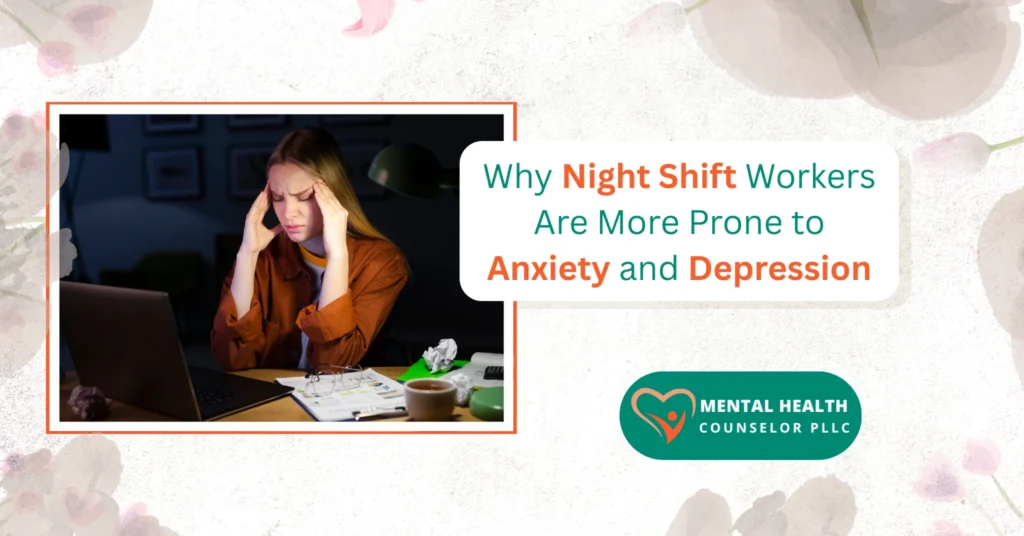
Learn why night shift workers face a higher risk of anxiety and depression due to sleep disruption, stress, and lifestyle changes.

Why Night Shift Workers Are More Prone to Anxiety and Depression

Most people don’t think twice about sleeping when it’s dark and waking when it’s light.To night shift workers, that’s not an option, and the psychological price of such a trade-off is larger than many imagine.This is not a matter of not being able to sleep. It is a matter of biology being driven somewhere it was not originally intended to go. Your Brain Runs on a Clock You Can’t Turn Off The circadian rhythm is something you must have heard about – the inbuilt 24-hour clock that your body follows to know when to be awake, hungry, or sleepy.What the majority of people do not realize is that this clock does not simply control energy levels.It also regulates the release of hormones, emotional regulation, and stimulation of the way your brain reacts to stress.Working nights does not mean that you are just moving your schedule.When you work nights, you’re not simply shifting your schedule. You’re forcing your brain to stay alert during the hours it’s biologically wired to power down – and sleep during the hours it’s primed to be active.That friction is constant. And over time, it wears on you in ways that go far beyond just feeling tired.Research backs this up.A meta-analysis of 28,431 workers discovered that depression and anxiety are among the overall risks of poor mental health brought about by shift work, which results in a 28 percent increase.That’s not a small number. The Sleep-Mood Loop Nobody Warned You About When Sleep Departs, So Does Emotional Stability Sleep isn’t passive downtime.While you’re out, your brain is doing real work: When night after night that process is interfered with, things begin to slip: When a night shift worker claims they’re on edge without any apparent reason or that they can’t stop spiraling over unimportant things, there is neuroscience behind it. It’s not a weakness. The Isolation Piece That Is Not Given Enough Attention Whereas the rest of the world is at dinner, at events, or simply relaxing on an evening, the night shift workers are reporting to work.And month by month and year by year, that discrepancy silently gouges out your social life. Family rhythms don’t line up.Friendships are costly in terms of time.Even minor aspects, such as a spontaneous invitation to a holiday party, are turned into logistical issues.Social isolation may lead to loneliness, depression, and relatively poor health among people. Related – How Night Shift Work Affects Mental Health Signs It Is Not All Tiredness Exhaustion has a form of consumption that cannot be cured by sleep. On the off chance that you have been observing any of these, it seems worth attending to: These are not character weaknesses or indications that you are not the type that can handle the schedule. They are indicators of the fact that something has to change. What Can Actually Help Some adjustments do make a difference: We Can Assist Our licensed therapists at Mental Health Counselor PLLC can assist individuals who are experiencing anxiety, depression, and the type of exhaustion that accumulates as life continues to demand more than you can offer.We provide face-to-face sessions in New York, as well as secure tele-video sessions.You can either book an appointment or call (212) 696-4717 – we are here when you are ready. FAQs Does working the night actually cause depression, or only exacerbate it? Both are possible. To some individuals, shift work causes depression that was not previously experienced due to the disturbance of their sleep and social life. In others, it deepens an already existing weak spot. Anyhow, it is real and can be treated. What is the duration of the impact of the night shift work on mental health? There’s no fixed timeline. Some can perceive mood changes within weeks; others it develops gradually over months or years. The best thing about it is that the longer one is left without attention, the more difficult it is to undress it. Is therapy useful when I cannot manage my work schedule? Absolutely. You do not need to work on the outside of the situation and then come in afterwards. A good therapist will assist you to become tough emotionally and construct tools that will serve in your real life. What about cases when I do not know whether I am getting depressed or it is only burnout? Frankly, such a difference does not count as much as people believe. Both deserve attention.

Why Night Shift Workers Are More Prone to Anxiety and Depression Read More »

How Night Shift Work Affects Mental Health

How Night Shift Work Affects Mental Health

Night work may seem comfortable in the beginning.However, as the weeks go on, a lot of night shift workers begin to see something slowly accumulating – irritability, low mood, and not being able to establish bonding with those they care about.These are not mere indicators of fatigue. They are frequently indicators of actual strain on the mind. The Body Clock Was Never Designed for This Your brain has been operating on a circadian rhythm – a natural 24-hour clock which tells your body to sleep, be awake, and to secrete hormones such as cortisol and melatonin.Night shift work disturbs this cycle.The problem with your sleep schedule being at odds with your biology is that: This is not merely a matter of being groggy. There is a close relationship between chronic sleep disruption and anxiety, depression, and emotional dysregulation.When the brain has not fully recovered, it has a reduced ability to cope with stress. Mental Health Effects Experienced by Night Shift Workers Depression and Low Mood Research indicates consistently elevated levels of depressive symptoms among shift workers as opposed to normal schedule workers.The lack of sleep, sunlight, and socialization provides an environment in which depression can slowly creep in.You might notice: Anxiety and Chronic Stress Life on the night shift – you eat at odd hours, have your schedule upset, are constantly planning how to make up the sleep you missed – keeps your nervous system tense. Social Isolation This is the one that is frequently neglected.It is truly difficult to sustain relationships when you are asleep at the time your friends and family are awake.Forced to skip dinners, events and not being available during the regular hours can lead to a loss of sense of belonging in the long run.Loneliness is a potent predictor of poor mental health. Shift workers are particularly susceptible to it. How to Take Care of Your Mental Health It is not always possible to alter your schedule, but you could create more supportive habits that could benefit your mind. Make Sleep Non-Negotiable Stay Connected Be on the Lookout for Early Warning Signs Aggressive depletion, constant sadness, growing irritation, or feeling fear of the upcoming working days are just some signals that should be considered without forcing. Related – Workplace Stress vs. Workplace Toxicity: What’s the Difference? How to Know When to Talk to a Professional It is one thing to go through some rough few weeks and another to have something that is wearing you down month in month out.And in case you have been feeling bad mood-wise, anxious, having issues with everyone, or the general feeling that things are not okay, that is something that is worth discussing with someone who can actually help. You Don’t Have to Journey Through This Alone We provide in-person and video therapy sessions at Mental Health Counselor PLLC that fit your schedule.Regardless of whether you have depression, anxiety, sleep stress, or just simply feel like something is wrong, you can talk to our licensed therapists. Make an appointment. FAQs Is night shift employment depressive? It may be one of the factors. Disturbed sleep, lack of sunlight, and social isolation are all risk factors that may lead to depression symptoms in the long run. Is it common to experience anxiety after working night shifts? Yes. Anxiety can be increased by: When it is chronic, it is worth dealing with. Is therapy effective for mental health problems associated with shift work? Absolutely. A therapist can assist you: Is it possible to receive therapy when working at night? Yes. Several counselors, including Mental Health Counselor PLLC, have flexible schedules and guaranteed video sessions.

How Night Shift Work Affects Mental Health Read More »

Scroll to Top